
Figma Initiative and Design Libraries
Company
IBM
Project Duration
1+ year(s)
Role
Designer & Lead
Outcome
85% increase in efficiency
My Role
At IBM, I played a key role in advancing our design processes and improving the overall design experience. I led the development of comprehensive design systems at low, mid, and high fidelity, ensuring designs were both visually appealing and adaptable throughout the product development lifecycle.Collaboration was central to my role. As a member of the IBM Figma board, I contributed to building and scaling IBM's design systems to align with organizational goals. This ensured our designs remained innovative and aligned with IBM's strategic vision and user needs.
Impact
- Increase designers efficiency by 74%
- Increased team application efficiency by 95%
- Reformed and optimized design libraries by 20%
- Mentor and coach for designers and developers
- Led teams through application based libraries
- Led teams through application based libraries
- Build org low and mid fidelity libraries
The Carbon Design System received a Red Dot Design Award for 2022 in the Brands & Communication discipline.

My Focus
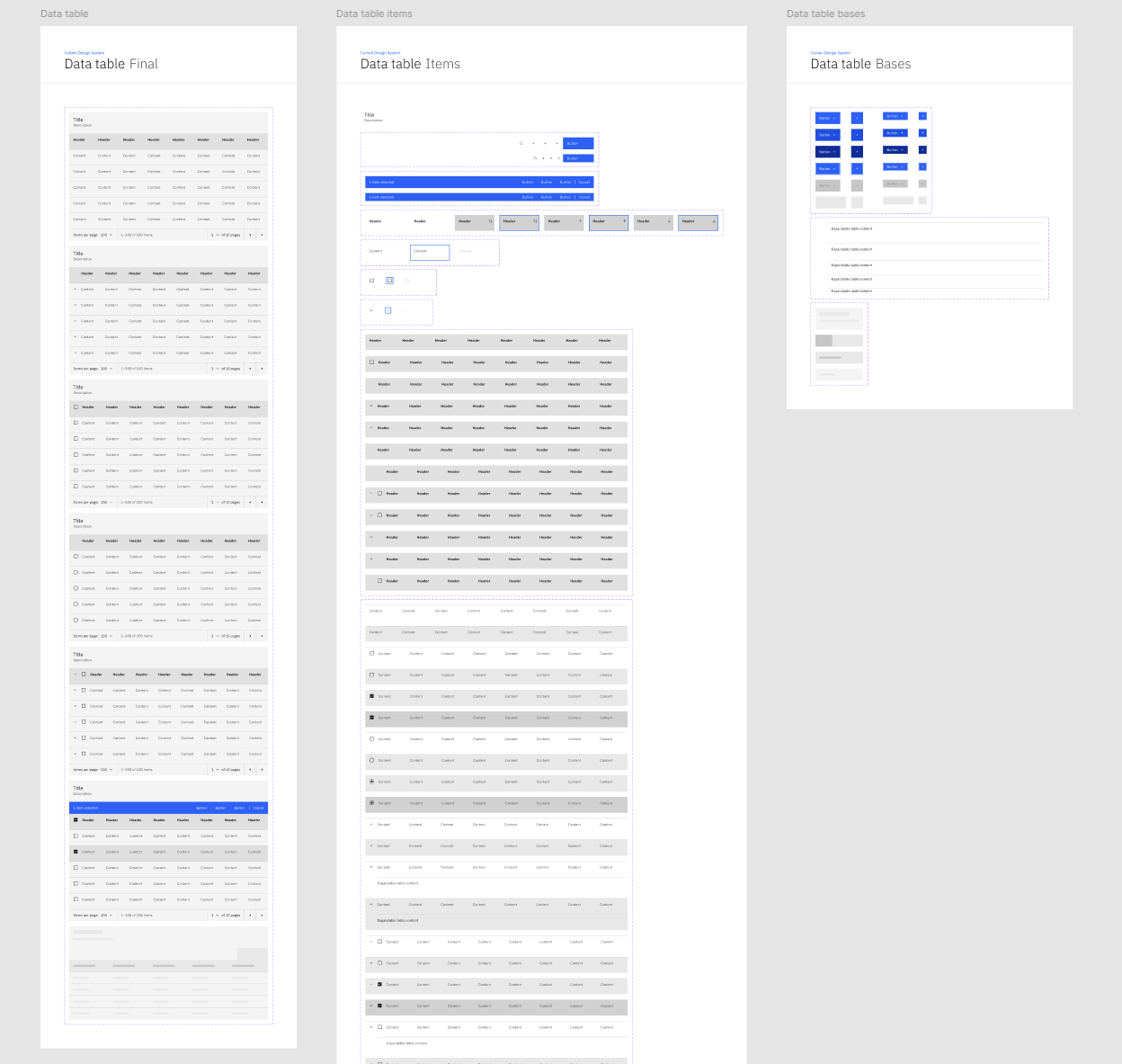
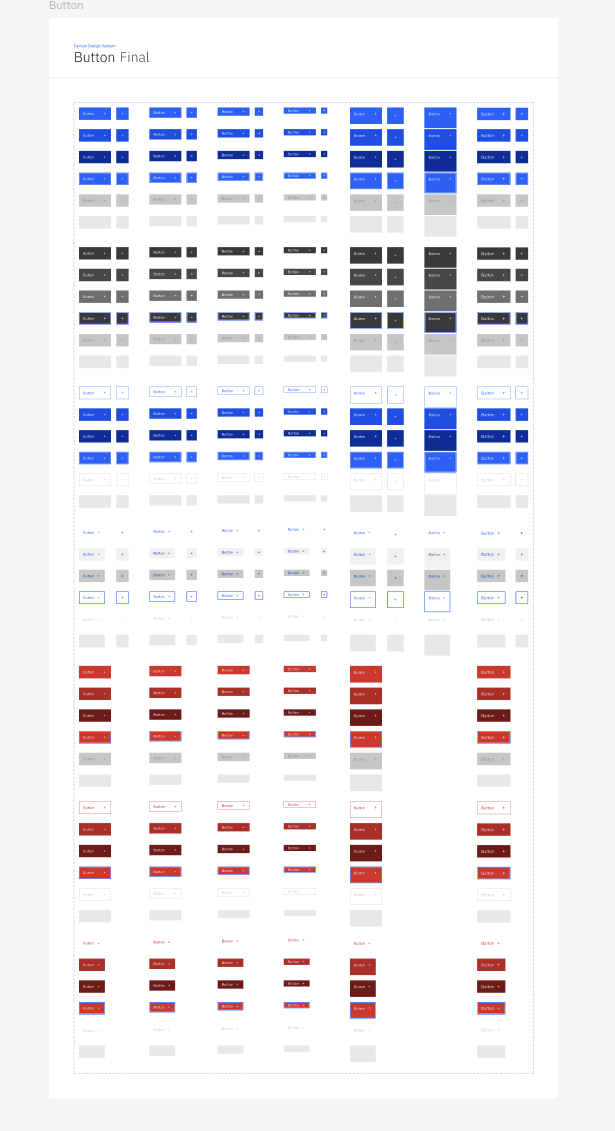
I focused on building and refining design system components, establishing a structured approach to component layering. This was essential for consistency and scalability, resulting in a more efficient workflow and increased team productivity.I constantly sought innovative ways to build components, embracing modified techniques. I consistently pursued innovative methods for component development, adopting new techniques to enhance both aesthetics and functionality. This commitment to learning kept our design systems modern and user-focused. With this capacity, I contributed to testing and providing feedback in Figma to build features for the application. This experience honed my skills and deepened my understanding of scaling and managing a design system.
Mentor and Coach
As a mentor and coach, I adopted a collaborative approach. While providing the initial concept and framework for building components, I encouraged the designers to think critically and problem-solve independently. By doing so, they gained valuable experience and became more familiar with the limitations and capabilities of Figma.
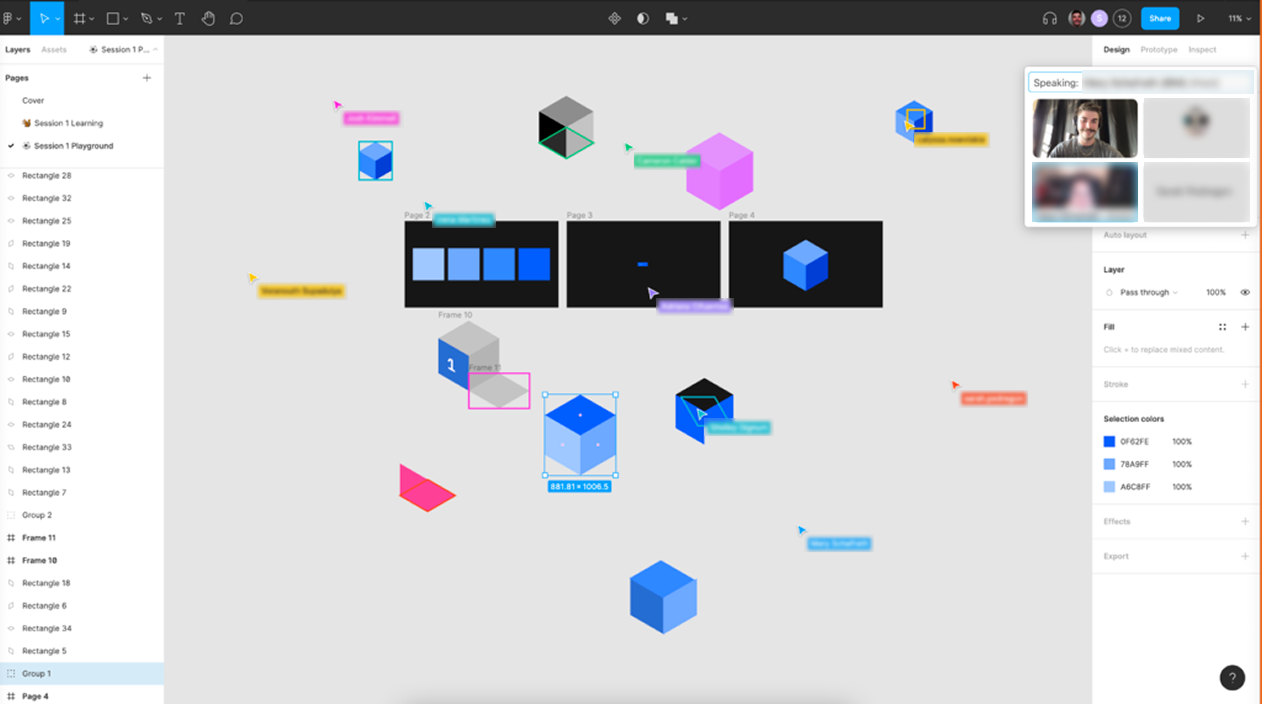
Empowering the designers to think through the process allowed them to grasp the nuances of building components in Figma, ultimately enhancing their proficiency and independence. Through this collaborative teaching method, we built a comprehensive and organized Figma library for versions v10 and v11, benefiting the entire Products team's design workflow and efficiency.


Figma Initiative and Design Libraries
Company
IBM
Project Duration
1+ year(s)
Role
Designer & Lead
Outcome
85% increase in efficiency
My Role
At IBM, I played a key role in advancing our design processes and improving the overall design experience. I led the development of comprehensive design systems at low, mid, and high fidelity, ensuring designs were both visually appealing and adaptable throughout the product development lifecycle.Collaboration was central to my role. As a member of the IBM Figma board, I contributed to building and scaling IBM's design systems to align with organizational goals. This ensured our designs remained innovative and aligned with IBM's strategic vision and user needs.
Impact
- Increase designers efficiency by 74%
- Increased team application efficiency by 95%
- Reformed and optimized design libraries by 20%
- Mentor and coach for designers and developers
- Led teams through application based libraries
- Led teams through application based libraries
- Build org low and mid fidelity libraries
The Carbon Design System received a Red Dot Design Award for 2022 in the Brands & Communication discipline.
My Focus
I focused on building and refining design system components, establishing a structured approach to component layering. This was essential for consistency and scalability, resulting in a more efficient workflow and increased team productivity.I constantly sought innovative ways to build components, embracing modified techniques. I consistently pursued innovative methods for component development, adopting new techniques to enhance both aesthetics and functionality. This commitment to learning kept our design systems modern and user-focused. With this capacity, I contributed to testing and providing feedback in Figma to build features for the application. This experience honed my skills and deepened my understanding of scaling and managing a design system.
Mentor and Coach
As a mentor and coach, I adopted a collaborative approach. While providing the initial concept and framework for building components, I encouraged the designers to think critically and problem-solve independently. By doing so, they gained valuable experience and became more familiar with the limitations and capabilities of Figma.
Empowering the designers to think through the process allowed them to grasp the nuances of building components in Figma, ultimately enhancing their proficiency and independence. Through this collaborative teaching method, we built a comprehensive and organized Figma library for versions v10 and v11, benefiting the entire Products team's design workflow and efficiency.
Figma Initiative and Design Libraries
Company
IBM
Project Duration
1+ year(s)
Role
Designer & Lead
Outcome
85% increase in efficiency
My Role
At IBM, I played a key role in advancing our design processes and improving the overall design experience. I led the development of comprehensive design systems at low, mid, and high fidelity, ensuring designs were both visually appealing and adaptable throughout the product development lifecycle.Collaboration was central to my role. As a member of the IBM Figma board, I contributed to building and scaling IBM's design systems to align with organizational goals. This ensured our designs remained innovative and aligned with IBM's strategic vision and user needs.
Impact
- Increase designers efficiency by 74%
- Increased team application efficiency by 95%
- Reformed and optimized design libraries by 20%
- Mentor and coach for designers and developers
- Led teams through application based libraries
- Led teams through application based libraries
- Build org low and mid fidelity libraries
The Carbon Design System received a Red Dot Design Award for 2022 in the Brands & Communication discipline.
My Focus
I focused on building and refining design system components, establishing a structured approach to component layering. This was essential for consistency and scalability, resulting in a more efficient workflow and increased team productivity.I constantly sought innovative ways to build components, embracing modified techniques. I consistently pursued innovative methods for component development, adopting new techniques to enhance both aesthetics and functionality. This commitment to learning kept our design systems modern and user-focused. With this capacity, I contributed to testing and providing feedback in Figma to build features for the application. This experience honed my skills and deepened my understanding of scaling and managing a design system.
Mentor and Coach
As a mentor and coach, I adopted a collaborative approach. While providing the initial concept and framework for building components, I encouraged the designers to think critically and problem-solve independently. By doing so, they gained valuable experience and became more familiar with the limitations and capabilities of Figma.
Empowering the designers to think through the process allowed them to grasp the nuances of building components in Figma, ultimately enhancing their proficiency and independence. Through this collaborative teaching method, we built a comprehensive and organized Figma library for versions v10 and v11, benefiting the entire Products team's design workflow and efficiency.